
🌳 Ep. 229: Petroleum/Crude Oil - 8 Products Memory Mnemonic
👋 Intro
Hello and welcome to this episode of the podcast, "The Mnemonic Memory", where we add a single mnemonic leaf to our Tree of Knowledge.
I’m Jans, your Mnemonic Man, and today's episode will be on a subject pertinent to millions of people around the world at the moment due to the turmoil in Iran, vis-à-vis the closing of the Strait of Hormuz, and that is crude oil, otherwise known as petroleum.
Crude oil began as ancient marine life and plant matter that became trapped beneath layers of rock and sediment over millions of years. This organic material is transformed into hydrocarbons as a result of time, heat, and pressure. It is found deep underground and beneath the ocean floor.
To locate this oil, seismic surveys are generally the most common method used, amongst other methods. They use advanced imaging techniques that are similar to an ultrasound, but for the Earth.
Extraction of the oil from the Earth can be broken down to three main stages of recovery, which are:
• Primary Recovery, which includes natural pressure, artificial lift, and directional/horizontal drilling.
• Secondary Recovery, which includes water flooding and gas injection.
• And, finally, Tertiary Recovery, which includes thermal recovery, gas injection, chemical injection, and in-situ combustion.
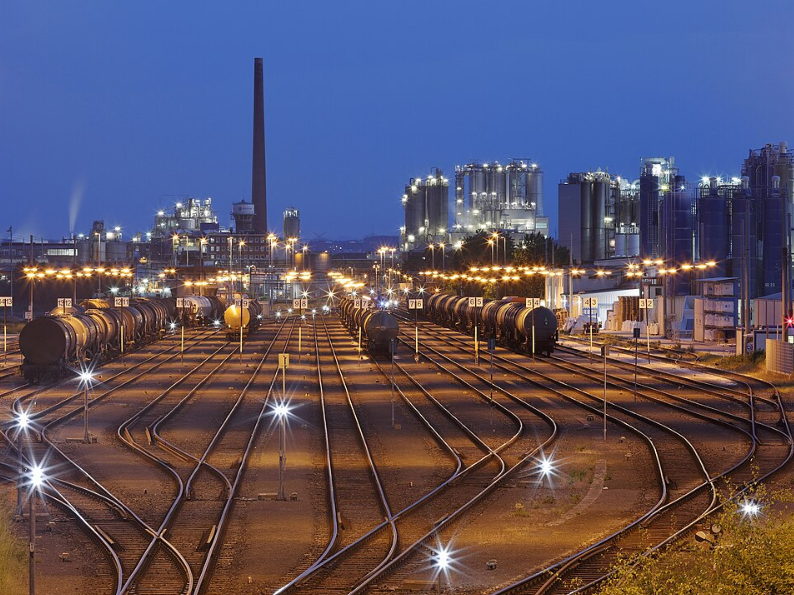
The crude oil is then transported to refineries, where it is separated into different products using a process called fractional distillation. These products include gas, petrol, naphtha, kerosene, diesel, lubricating oil, fuel oil, and bitumen, which form today’s mnemonic.
Crude oil is classified as either light or heavy depending on the density and sulphur content. “Light sweet” crude is easier and cheaper to refine, while “heavy sour” crude requires more processing.
Today, major oil-producing regions include the Middle East, the United States, Russia, and Canada.
Today’s mnemonic will be on eight products from petroleum/crude oil.
So, with that being said, we will begin with a summary from Wikipedia.
📖 Wikipedia Summary
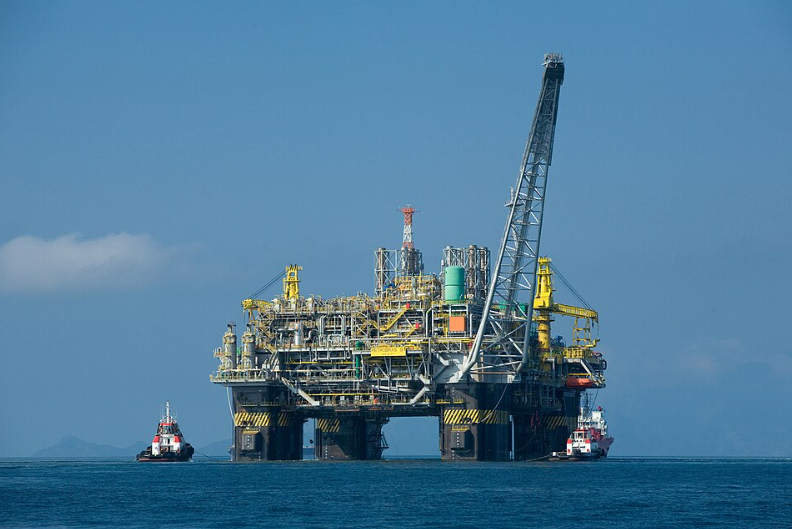
Petroleum, also known as crude oil or simply oil, is a natural resource that appears as a yellowish-black liquid chemical mixture found in geological formations, consisting mainly of hydrocarbons.[1] The term petroleum refers both to naturally occurring unprocessed crude oil and to petroleum products that consist of refined crude oil.
Petroleum is a fossil fuel formed over millions of years from anaerobic decay of organic materials from buried prehistoric organisms, particularly planktons and algae. It is estimated that 70% of the world's oil deposits were formed during the Mesozoic, 20% were formed in the Cenozoic, and only 10% were formed in the Paleozoic.[2]
Conventional reserves of petroleum are primarily recovered by drilling, which is done after a study of the relevant structural geology, analysis of the sedimentary basin, and characterization of the petroleum reservoir. There are also unconventional reserves such as oil sands and oil shale, which are recovered by other means such as fracking.
Once extracted, oil is refined and separated, most easily by distillation, into innumerable products for direct use or use in manufacturing. Petroleum products include fuels such as gasoline (petrol), diesel, kerosene, and jet fuel; bitumen, paraffin wax, and lubricants; reagents used to make plastics; solvents, textiles, refrigerants, paint, synthetic rubber, fertilizers, pesticides, pharmaceuticals, and thousands of other petrochemicals.
Petroleum is used in manufacturing a vast variety of materials essential for modern life,[3] and it is estimated that the world consumes about 100 million barrels (16 million cubic metres) each day.
Petroleum production played a key role in industrialization and economic development,[4] especially after the Second Industrial Revolution. Some petroleum-rich countries, known as petrostates, gained significant economic and international influence during the latter half of the 20th century due to their control of oil production and trade.
Extracted from: [https://en.wikipedia.org/wiki/Petroleum]
🧠 Memory Mnemonic
Petroleum/Crude Oil – 8 Products Memory Mnemonic – Gas & Petrol Never Knock, but Diesel Lubricates Far Better
(Picture your hybrid car that runs on both gas and petrol smoothly, and your tractor that runs on diesel, which lubricates far better.)
1. Gas
2. Petrol
3. Naphtha
4. Kerosene
5. Diesel
6. Lubricating Oil
7. Fuel Oil
8. Bitumen
NB: They are all in order as to the temperature at which they are separated in the distillation process. So, gas is separated at around 20°C, and it goes all the way up to bitumen, which is separated at around 400°C
🔎 Five Fun Facts
1. Petroleum was originally formed from the remains of ancient plants and animals. This process takes millions of years and transforms the plants and animals into hydrocarbons that form petroleum, through a combination of underground heat and pressure, and of course, time. The petroleum we actually use today was from the age of the dinosaurs and well before.
2. The ocean floor plays a large part in oil formation. As the ocean covers approximately 70% of the Earth’s surface, it forms a massive landing pad for dead plants and animals, as well as other matter that has been swept into the ocean from the land. This oil from the ocean floor does seep back into the ocean and accounts for nearly half of the oil released into the ocean environment every year.
3. To this date, the United States has produced more oil than any other country. This equates to around 20% of the world’s oil, which is well needed as they are also one of the largest consumers of oil in the world. Their oil industry is huge, with over 200,000 miles of pipeline, which supports around 10.3 million jobs.
4. The largest oil and gas company in the world by market capitalisation is Saudi Arabian Oil Company, often referred to as Saudi Aramco. With a $1.9 trillion market cap, it is approximately 165% bigger than the second-largest market cap, which is Exxon Mobil. Arabian Oil Company refines more oil than any other company, and has the second largest proven crude oil reserve in the world.
5. The country with the largest oil reserves in the world is in South America, Venezuela. It holds 17.8% of the global reserves. While Venezuela has long produced oil, in 2011 they announced a massive increase in proven oil reserves when the oil sands in the Orinoco Belt were certified, launching them to the top spot globally.
.jpg)


🎓 Three-Question Quiz
Q.1. What is crude oil mainly composed of?
Q.2. What is the process called that separates crude oil into useful products?
Q.3. What are the two main categories of crude oil?
Bonus Q. What is OPEC the acronym for?
Bonus Q. Crude oil is measured in barrels, of which one barrel equals 159 litres. How many gallons is this approximately? You can have a tolerance of three gallons higher and three gallons lower to get it right
Bonus Q. Why do oil executives make bad comedians?
🧠 Memory Mnemonic Recap
Petroleum/Crude Oil – 8 Products Memory Mnemonic – Gas & Petrol Never Knock, but Diesel Lubricates Far Better
(Picture your hybrid car that runs on both gas and petrol smoothly, and your tractor that runs on diesel, which lubricates far better.)
1. Gas
2. Petrol
3. Naphtha
4. Kerosene
5. Diesel
6. Lubricating Oil
7. Fuel Oil
8. Bitumen
🎓 Three-Question Quiz Answers
Q.1. What is crude oil mainly composed of?
A. Hydrocarbons, which are molecules containing both hydrogen and carbon
Q.2. What is the process called that separates crude oil into useful products?
A. Fractional distillation
Q.3. What are the two main categories of crude oil?
A. Light crude oil and heavy crude oil
Bonus Q. What is OPEC the acronym for?
A. Organization of the Petroleum Exporting Countries
Bonus Q. Crude oil is measured in barrels, of which one barrel equals 159 litres. How many gallons is this approximately? You can have a tolerance of three gallons higher and three gallons lower to get it right
A. 42 gallons
Bonus Q. Why do oil executives make bad comedians?
A. Their humour is too crude!
🔤 Word of the Week
lickety-split
[lik-i-tee-split]
Informal.
1. at great speed; rapidly.
Example
The oil workers cleaned up the crude oil spill lickety-split before it could spread along the shoreline.
Extracted from: [https://www.dictionary.com/]
💡 Memory Tip
For our memory tip today, we will start going through some of the foods which are beneficial for your brain, and we will start with one of my favourites, blueberries.
Blueberries are widely known for their brain-boosting benefits. They are rich in antioxidants, particularly flavonoids, that help reduce oxidative stress and inflammation, which are both linked to cognitive decline.
Blueberries have also been shown to help lower blood pressure by reducing arterial stiffness, lower LDL cholesterol, aid exercise recovery, and help manage blood sugar levels.
The anthocyanins may have anti-inflammatory and cancer-fighting properties, and blueberries are nutrient-dense and an excellent source of fibre, vitamin C, vitamin K, and manganese. See you next week.
👉 Free Memory Mnemonics at:
https://www.themnemonictreepodcast.com
🎧 Listen on Apple Podcasts:
https://podcasts.apple.com/au/podcast/the-mnemonic-tree-podcast/id1591795132
🎧 Listen on Spotify:
https://open.spotify.com/show/3T0LdIJ9PBQMXM3cdKd42Q?si=fqmaN2TNS8qqc7jOEVa-Cw
🔗 References
https://chatgpt.com/c/69f9c7aa-3328-8321-9abf-81bfa1a8e6ab
https://dosomething.org/article/11-facts-about-oil
https://www.brunel.net/en-au/blog/energy/fascinating-oil-and-gas-facts
https://www.factretriever.com/petroleum-facts
https://punsteam.com/oil-puns/
https://www.youtube.com/shorts/u9pHqYvEQSI